In 2026, the unit of value in the global economy has shifted from the megabyte to the reasoning token. As Large Language Models (LLMs) transition from simple text predictors to deep-thinking agents, the demand for test-time compute has created a multi-billion dollar reasoning token marketplace. If you aren't already trading compute liquidity, you are essentially watching the digital equivalent of the 19th-century oil boom from the sidelines. The question is no longer whether AI will dominate, but who will control the compute rails that power it.
The Shift: From Generative AI to Reasoning-as-a-Service
For years, the AI industry focused on training larger models. However, 2025 and 2026 marked the era of test-time compute. Models like OpenAI’s o3 and xAI’s Grok-3 don't just give an answer; they think before they speak, utilizing a process known as Test-time Adaptive Optimization (TAO). This shift has turned compute into a liquid asset.
In a reasoning token marketplace, we are no longer just buying access to a model; we are buying the "thinking time" required to solve complex problems. This has led to the rise of reasoning-as-a-service trading, where compute power is tokenized and traded in real-time. As one Reddit user in the r/AI_Agents community noted, "The framework matters less than people think... what determines if an agent is reliable is the infrastructure around it—state persistence, retries, and compute availability."
Top 10 Reasoning Token Marketplaces in 2026
As we navigate the 2026 landscape, these platforms have emerged as the primary hubs for trading AI compute and reasoning tokens. They bridge the gap between idle GPU owners and developers building the next generation of agentic systems.
1. Bittensor (TAO)
Bittensor remains the "Gold Standard" of decentralized AI. It functions as a decentralized neural network where contributors provide models or compute and are rewarded with TAO tokens. In 2026, the Dynamic TAO (dTAO) upgrade has allowed subnets to launch their own tokens, creating a micro-economy for specialized reasoning tasks like protein folding or legal analysis.
2. Akash Network (AKT)
Often called the "Airbnb of GPUs," Akash is an open-source compute liquidity platform. It allows developers to bid on GPU resources at up to 80% lower cost than AWS or GCP. Their integration with NVIDIA’s Blackwell chips in early 2026 made them the go-to for high-performance reasoning tokens.
3. Argentum AI
Argentum AI has pioneered the concept of treating GPU resources as liquid financial assets. It features a real-time trading floor for compute, where prices fluctuate based on global demand. If a new model like Grok-3 drops, Argentum’s marketplace reflects the price surge in seconds, providing a true llm token brokerage experience.
4. Render Network (RNDR)
Originally focused on 3D rendering, Render has pivoted heavily into AI inference. It leverages a global network of decentralized GPUs to provide the massive compute required for generative video and reasoning agents. Its move to the Solana blockchain has enabled the sub-cent transaction fees necessary for high-frequency compute trading.
5. Virtuals Protocol
Virtuals has become the primary launchpad for AI agents on the Base ecosystem. It allows for "Conversational Tokenization," where users can deploy an agent and its corresponding token via simple chat commands. This has democratized token-based ai monetization for non-technical creators.
6. Aethir
Aethir focuses on enterprise-grade decentralized GPU clouds. With over 3,000 NVIDIA H100s in its cluster, it provides the raw muscle for massive reasoning tasks. Their use of stablecoin-backed pricing (AUSD) has brought much-needed price stability to the volatile compute market.
7. Clanker
Clanker is a social-first agentic protocol integrated with Farcaster. It allows agents to act as sovereign economic actors—managing their own wallets, deploying tokens, and generating protocol fees. In early 2026, Clanker agents were reportedly generating over $8 million in weekly fees, proving the viability of agent-to-agent commerce.
8. Flux
Flux stands out for its "Proof-of-Useful-Work" model. Unlike Bitcoin, which uses energy for arbitrary math, Flux nodes run real-world AI workloads. This makes it one of the most sustainable options in the reasoning token marketplace.
9. Warden Protocol
As AI agents become more autonomous, security is paramount. Warden Protocol provides "Verifiable Intelligence" through its SPEx framework. It uses cryptographic proofs to ensure that an AI’s reasoning process wasn't tampered with, which is essential for institutional llm token brokerage.
10. Gensyn
Gensyn is a protocol specifically designed for the coordination of AI training. It allows for the verification of deep learning work performed on decentralized hardware, solving the "trust" problem that previously plagued distributed AI training networks.
| Platform | Primary Focus | Token | Market Strength |
|---|---|---|---|
| Bittensor | Intelligence Marketplace | TAO | Decentralized Neural Net |
| Akash | GPU Marketplace | AKT | Cost Efficiency (80% Savings) |
| Argentum | Compute Trading | N/A | Real-time Liquidity |
| Virtuals | Agent Launchpad | VIRTUAL | Social Integration (Base L2) |
| Warden | Verifiable Execution | WARD | Security and Trust |
Understanding Compute Liquidity Platforms and LLM Token Brokerage
To succeed in 2026, you must understand the mechanics of compute liquidity platforms. In the past, you bought a subscription to ChatGPT. Today, you engage with an llm token brokerage that routes your request to the cheapest, fastest, or most intelligent node available in the mesh.
"The framework is almost always the least important decision you'll make. The stuff that actually breaks production agents is state persistence and the handoff layer." — Senior Engineer, Reddit Discussion
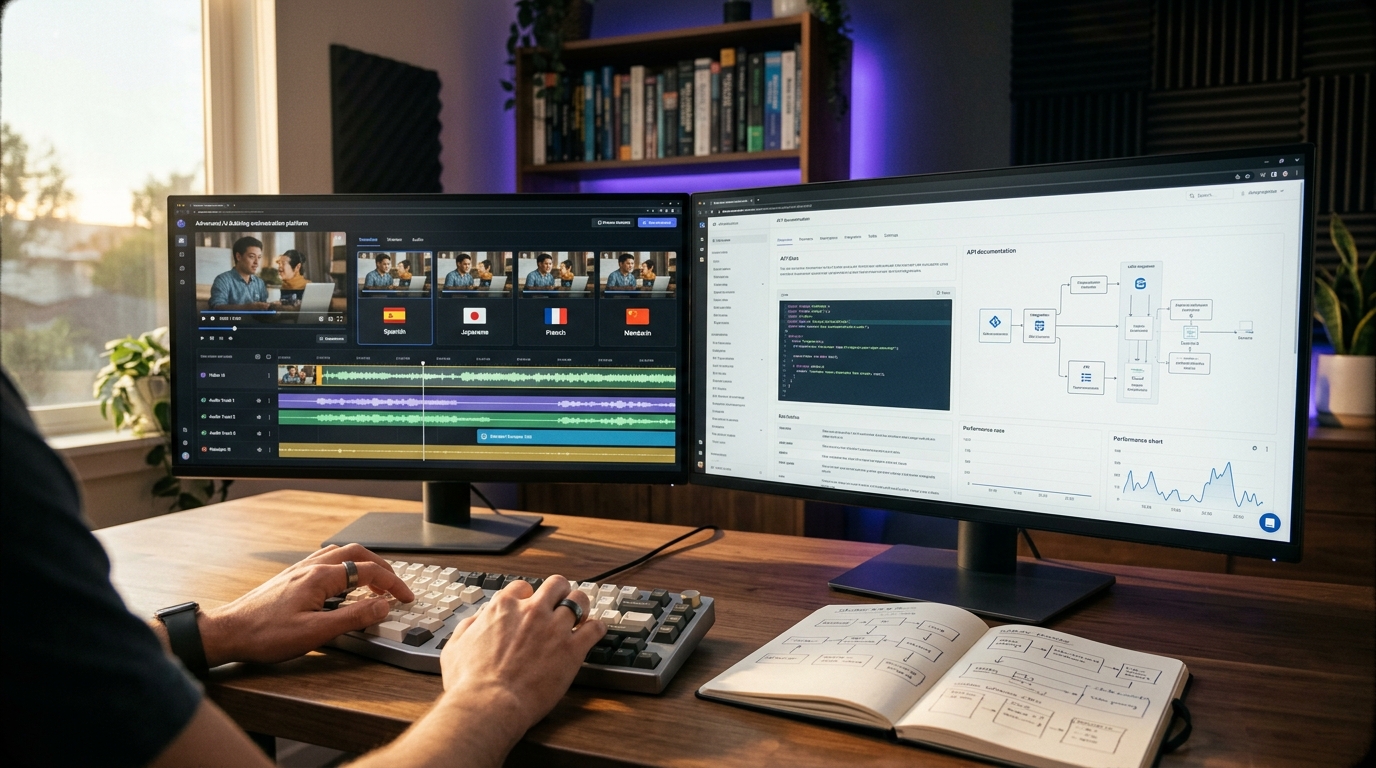
LLM token brokerage involves the automated routing of requests across multiple providers. For instance, a simple task might be routed to an o4-mini node on Akash, while a complex strategic task is sent to a Grok-3 cluster on Aethir. This routing is handled by intelligent gateways like Commonstack AI, which act as a single API for 40+ frontier models.
The Economics of Grok-3 Token Pricing and Test-Time Compute
With the release of Grok-3, grok-3 token pricing has become a benchmark for the industry. Unlike previous models, Grok-3’s pricing is dynamic. If you want the model to "think" for 60 seconds (utilizing more test-time compute), the token cost increases proportionally. This is the essence of reasoning-as-a-service trading.
Developers are now optimizing for "Test-time Adaptive Optimization" (TAO). This method allows models to tune themselves using unlabeled data at the moment of inference. For businesses, this means you can achieve "frontier-level" results using smaller, cheaper models by simply allocating more compute tokens to the reasoning phase.
Key Economic Drivers:
- GPU Scarcity: As H100 and Blackwell chips remain in high demand, the floor price for reasoning tokens is dictated by hardware availability.
- Sub-Cent Efficiency: Platforms on Base L2 utilize the Jovian upgrade, keeping transaction fees at ~$0.001. This allows agents to perform thousands of micro-trades without eroding their margins.
- Inference vs. Training: In 2026, 90% of the market value has shifted from training tokens to inference (reasoning) tokens.
Token-Based AI Monetization: How Developers are Profiting
If you are a developer, the reasoning token marketplace offers unprecedented opportunities for token-based ai monetization. You no longer need to build a SaaS app and charge $20/month. Instead, you can build an agent that provides value and earns tokens autonomously.
Strategies for Monetization:
- Subnet Mining: On Bittensor, you can create a specialized subnet. If your model provides better reasoning for a specific niche (e.g., medical diagnosis), you earn TAO tokens.
- Agent Fees: Using Clanker or Virtuals, you can deploy an agent that charges a small micro-token fee for every task it performs.
- GPU Provisioning: If you have idle hardware, you can list it on Akash or Flux and earn tokens for providing the raw compute that powers other people's agents.
- Data Labeling Agents: Reddit users highlighted tools like "Near Tasks" where agents coordinate human-in-the-loop labeling, earning tokens for every verified data point.
Building Agentic Workflows: Tools of the Trade
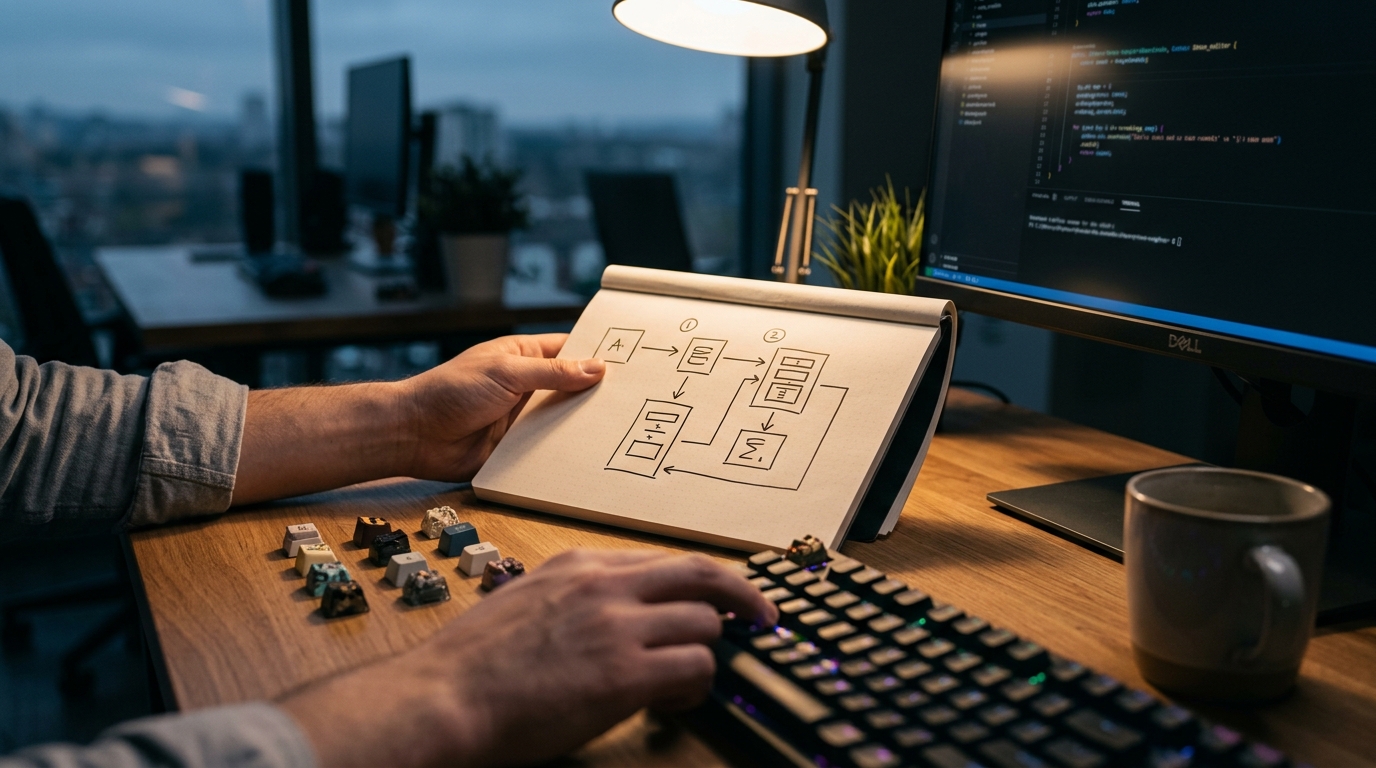
To participate in this marketplace, you need the right stack. The consensus among elite engineers in 2026 is to move away from "hype" frameworks and toward durable infrastructure.
The 2026 Developer Stack:
- IDE: Cursor with Claude 3.7/4 Sonnet remains the dominant choice for agentic coding.
- CLI: Claude Code is the go-to for autonomous terminal tasks. It can explore codebases, run tests, and fix bugs in loops.
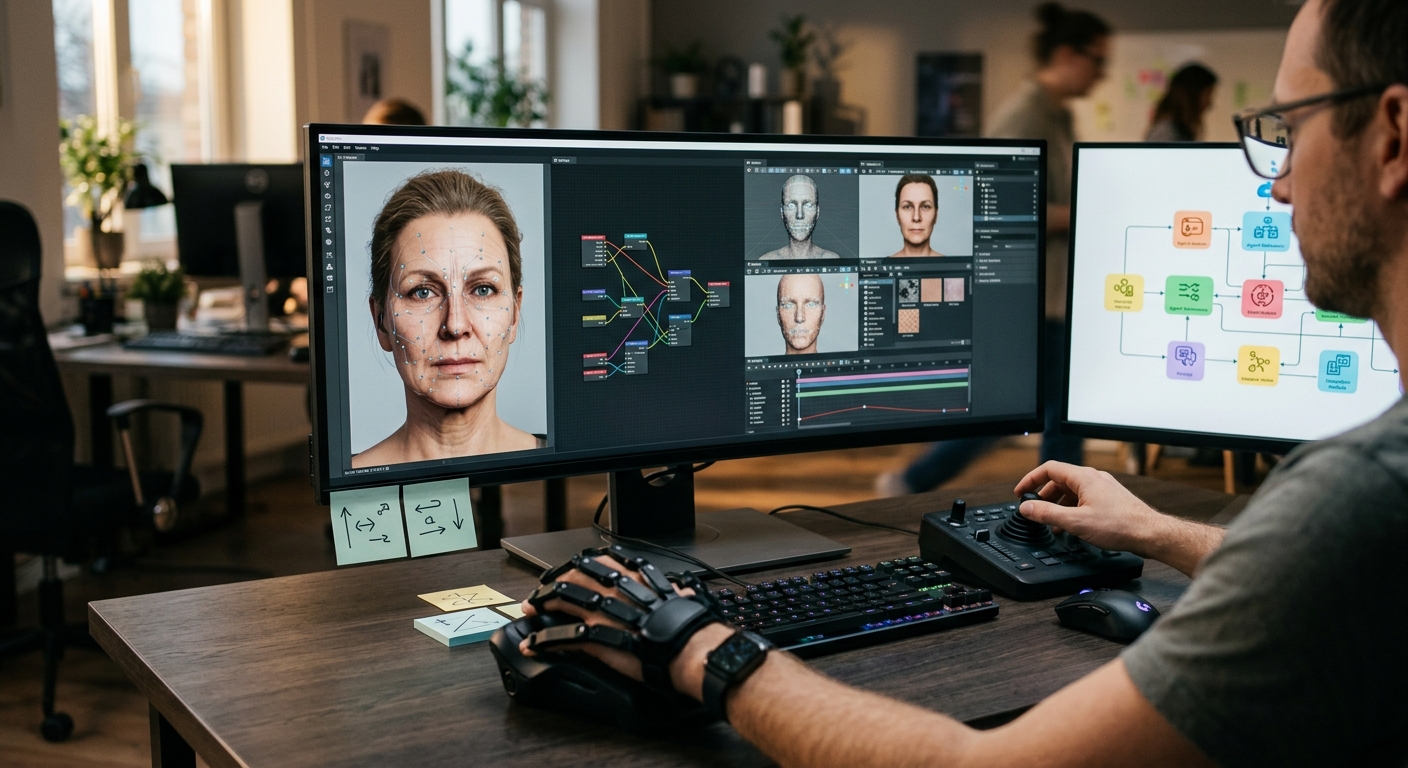
- Orchestration: LangGraph and n8n are preferred for structured multi-agent workflows. n8n is particularly praised for its visual debugging, which is essential when agents touch multiple third-party APIs.
- MCP (Model Context Protocol): Tools like Context7 and Sequential Thinking help ground LLMs, preventing the "hallucination loops" that plague unconstrained agents.
python
Example: Routing a Reasoning Task via a Compute Brokerage API
import compute_broker
agent = compute_broker.Agent(strategy="cost_optimized") response = agent.reason( prompt="Analyze the 2026 tokenomics of TAO vs AKT", thought_time_limit="30s", # Allocating test-time compute preferred_network="Akash" ) print(response.output)
Key Takeaways
- Reasoning is the Product: We have moved from generative text to verifiable reasoning. The reasoning token marketplace is the primary venue for this trade.
- Decentralization Wins on Cost: Platforms like Akash and Flux offer up to 80% savings compared to centralized cloud giants.
- Test-Time Compute is Scalable: You can "buy" more intelligence for a model by allowing it more thinking time (tokens) at inference.
- Base L2 is the Agent Hub: Low fees and social integration (Farcaster) make Base the de facto home for AI agents in 2026.
- Infrastructure > Frameworks: Focus on state persistence, guardrails, and verifiable execution rather than the latest wrapper library.
Frequently Asked Questions
What is a reasoning token marketplace?
A reasoning token marketplace is a decentralized or centralized platform where users can buy and sell the compute power required for AI models to perform complex reasoning tasks. Unlike standard LLM tokens, reasoning tokens often account for "test-time compute," where a model spends more time processing to reach a more accurate conclusion.
How does compute liquidity work?
Compute liquidity refers to the ease with which GPU power can be traded and reallocated. Compute liquidity platforms like Akash or Argentum AI allow users to instantly rent out their GPU capacity or buy capacity from others, often using blockchain tokens to settle transactions in real-time.
Why is Grok-3 token pricing important?
Grok-3 is one of the first frontier models to fully utilize dynamic test-time compute. Its pricing serves as a benchmark for the industry, helping developers understand the cost-to-intelligence ratio when building autonomous agents.
Can I earn money by providing compute?
Yes. By listing your idle GPUs on platforms like Flux, Akash, or Render, you can earn tokens. This is a core part of token-based ai monetization, allowing individuals and data centers to participate in the global AI economy.
What are the risks of trading reasoning tokens?
Like any emerging tech sector, risks include high volatility, regulatory shifts (such as the EU AI Act), and technical failures in decentralized networks. It is essential to use platforms that offer verifiable execution, such as Warden Protocol.
Conclusion
The emergence of the reasoning token marketplace represents the final piece of the AI puzzle. We now have the models, the data, and finally, the liquid infrastructure to power them at scale. Whether you are a developer building on compute liquidity platforms or an investor exploring llm token brokerage, the message for 2026 is clear: compute is the only currency that matters.
Don't get left behind in the generative era. Start building, trading, and optimizing for the reasoning age today. For more tools to enhance your agentic workflow, check out our latest guides on developer productivity and AI writing.