
PGlite vs SQLite Wasm: Best Local-First Database in 2026
An architectural deep dive comparing PGlite vs SQLite Wasm. Discover which local-first database engine reigns supreme in 2026 for performance, vector search, and seamless browser persistence.

Page 1 of 22 — 632 articles

An architectural deep dive comparing PGlite vs SQLite Wasm. Discover which local-first database engine reigns supreme in 2026 for performance, vector search, and seamless browser persistence.

Evaluating zed vs cursor for your development workflow in 2026? This deep-dive comparison contrasts Cursor's mature cloud-agent ecosystem with Zed's ultra-fast, Rust-powered editor and open-source AI integrations.

Selecting the right container network interface is critical when running resource-intensive AI and LLM workloads on Kubernetes. This comprehensive guide compares Cilium vs Calico, evaluating eBPF performance, security, and scalability for 2026.

Is the Model Context Protocol (MCP) the future of enterprise integration, or just an overhyped API wrapper? This comprehensive guide breaks down mcp vs rest api architectures, token economics, and agentic API design for 2026.

Choosing the right React UI ecosystem pattern is critical in 2026. This comprehensive architectural deep dive compares shadcn ui vs tailwind ui, analyzing their performance, customization limits, and the rise of AI-driven component engineering.

Deciding between Payload CMS vs Strapi for your next project? We break down the architectural shifts, performance benchmarks, and developer experience of Payload 3.0 vs Strapi v5 in 2026.

In 2026, the battle for developer productivity is fiercer than ever. We put Aider vs Cursor head-to-head, testing their git integration, agentic workflows, and codebase indexing under heavy production workloads.

An in-depth, benchmark-driven comparison of LanceDB vs pgvector. Discover which vector store offers the best balance of latency, memory efficiency, and developer experience for your production RAG applications in 2026.

An in-depth SearchGPT vs Perplexity comparison exploring the ultimate 2026 AI search battle. Discover which platform dominates AI answer engine benchmarks, pricing, and how to optimize your site for GEO.

Evaluating Retrieval-Augmented Generation (RAG) pipelines in production is notoriously difficult. This comprehensive comparison of Ragas vs DeepEval highlights the best RAG evaluation framework in 2026 to help you prevent hallucinations and ship reliable LLM applications.

An in-depth, technical comparison of BAML vs Instructor for type-safe LLM extraction in 2026. Discover which tool fits your production pipeline, from Pydantic-native validation to multi-language compile-time contracts.

Is the future of command-line interfaces AI-native or blazing-fast and minimalist? We dive deep into Warp vs Ghostty to help you choose the best developer terminal in 2026.

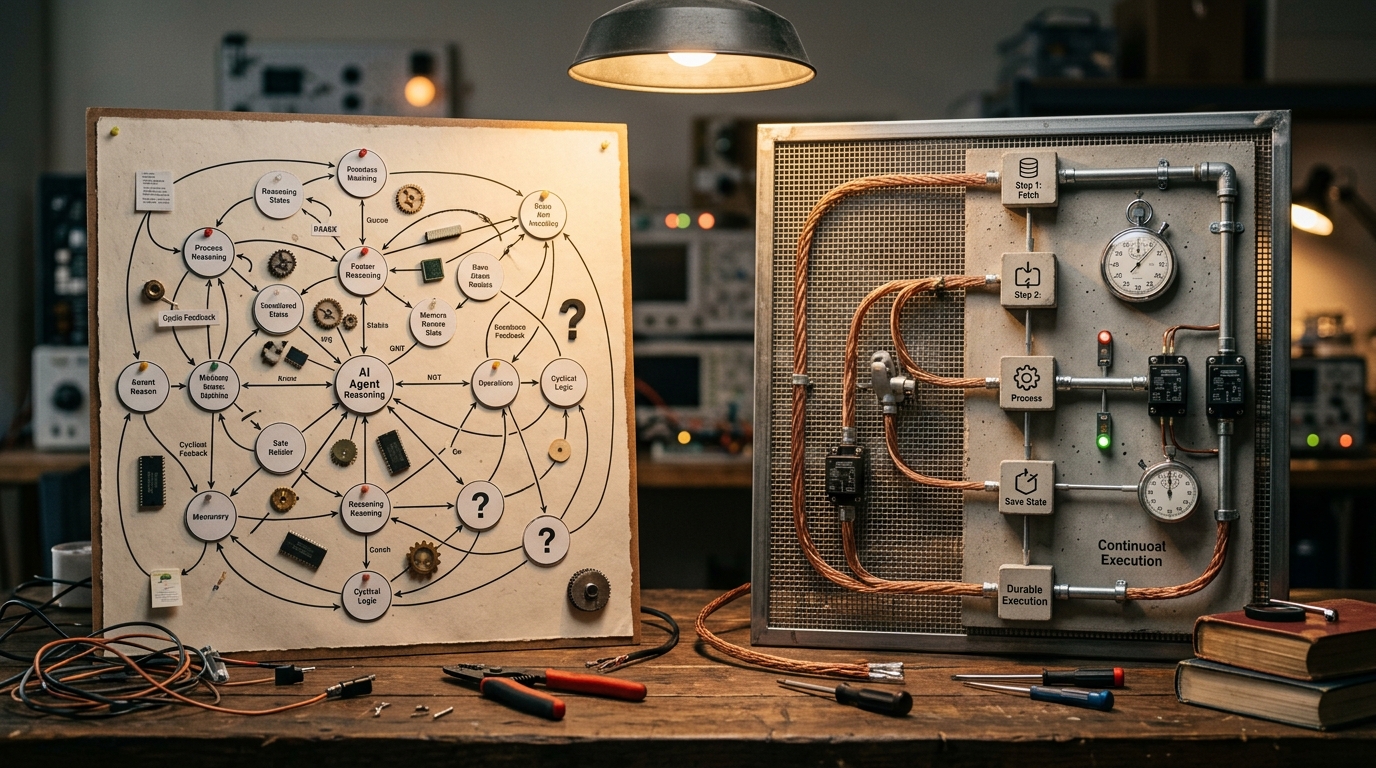
When moving past prototypes, choosing the right framework is critical. This guide compares LangGraph vs Temporal to help you build highly reliable, production-grade AI agent architectures.

Choosing the right backend is critical for your app's scalability and budget. This comprehensive 2026 comparison of Supabase vs Appwrite breaks down database performance, edge functions, AI capabilities, and self-hosting architectures to help you make the right choice.

An in-depth, engineering-first comparison of OpenTelemetry vs Datadog in 2026. Learn how to navigate the architectural, financial, and operational trade-offs of modern observability.

Discover how to implement Llama 4 fine-tuning using state-of-the-art techniques like GRPO, DPO, and LoRA. This comprehensive 2026 guide covers hardware requirements, optimization strategies, and evaluation workflows.

Deciding between Server Actions vs tRPC for your React 19 and Next.js applications in 2026? This deep-dive comparison explores type safety, performance, middleware, and architectural tradeoffs to help you build highly scalable apps.

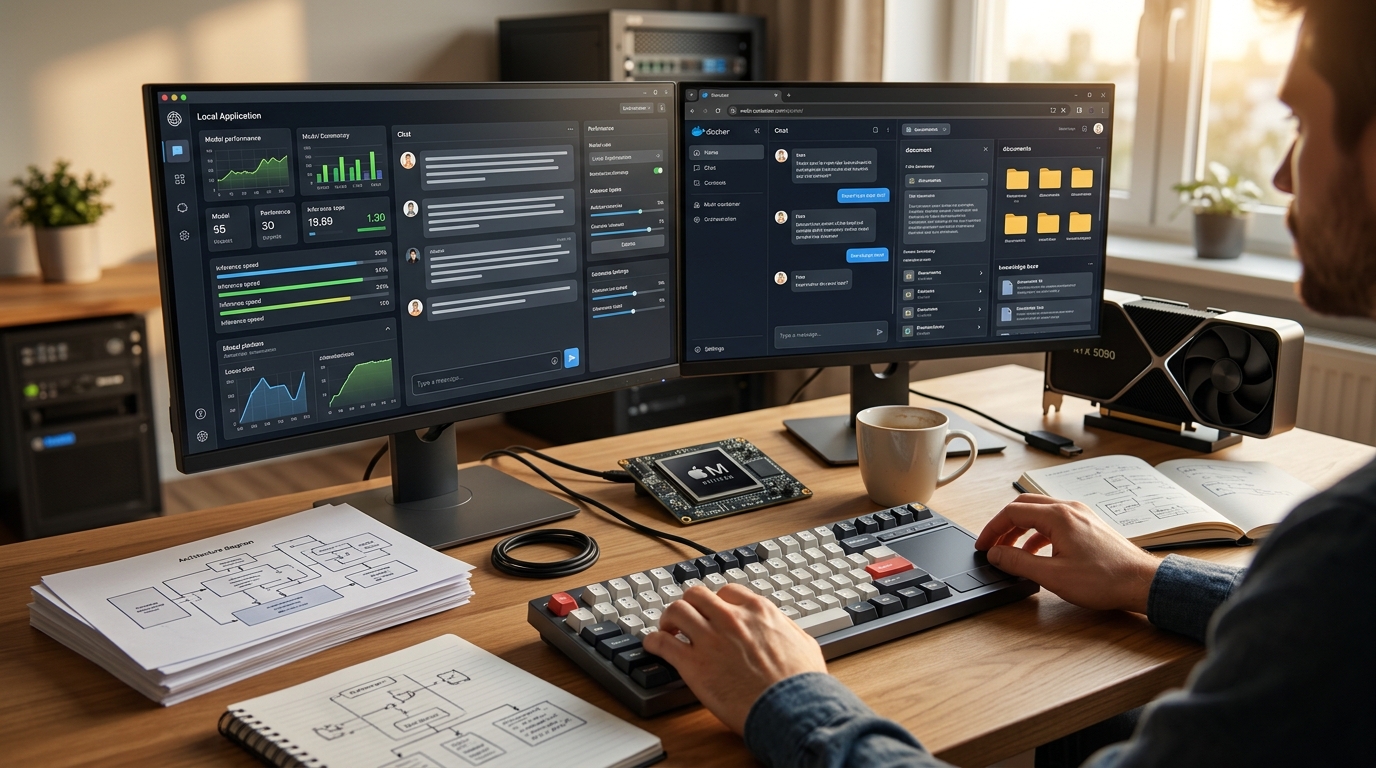
Deciding between LM Studio vs OpenWebUI for your local AI stack? This comprehensive 2026 guide compares their architecture, RAG capabilities, multi-GPU performance, and setup processes to help you choose the ultimate client.

Deciding between OpenRouter vs DeepSeek API for your SaaS? This comprehensive guide breaks down costs, latency benchmarks, and the best LLM gateway alternatives for 2026.

Building a production RAG pipeline in 2026? We compare Firecrawl vs Jina Reader side-by-side, covering markdown quality, anti-bot bypass, and cost at scale.

The open-weights AI ecosystem has reached parity with proprietary giants. Discover how Meta's Llama 4 stacks up against DeepSeek-R1 in reasoning, coding, RAG, and local deployment.

TypeScript has officially overtaken Python for application-level AI orchestration. Discover the 10 best TypeScript AI agent frameworks in 2026 to build production-grade, type-safe JS agents without the Python tax.

Deciding between Supabase vs Turso for your next AI-powered application? Discover which is the best serverless database 2026 in this deep-dive comparison of Postgres vs SQLite at the edge.

An in-depth comparison of Trigger.dev vs Temporal to find the best durable execution engine for AI agents in 2026. Discover key differences in durability models, developer experience, and pricing.

Choosing between Milvus vs Qdrant for enterprise RAG scale? This comprehensive, developer-first architectural breakdown compares performance, cost, and deployment complexity in 2026.

In 2026, choosing the right orchestration layer can swing your agent's performance by up to 30%. This comprehensive agno vs langgraph comparison breaks down the architectural trade-offs, benchmarks, and production realities to help you choose the best Python agentic framework for your stack.

In a head-to-head benchmark on a dense 5,047-page technical corpus, AnythingLLM achieved a remarkable 6% hallucination rate, while Open WebUI trailed at 14%. When evaluating AnythingLLM vs OpenWebUI for your local AI stack, you are choosing between two completely different architectural philosophies.